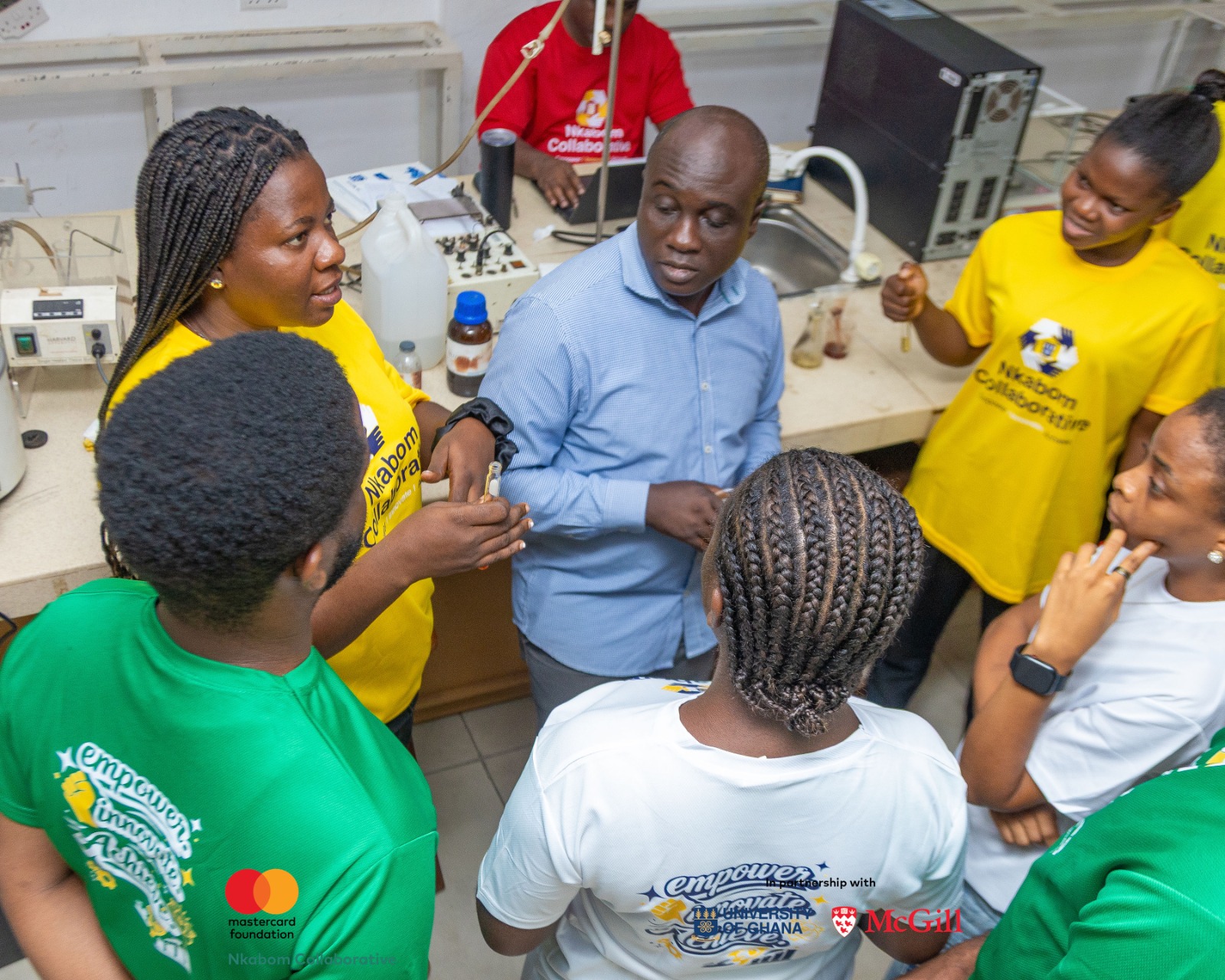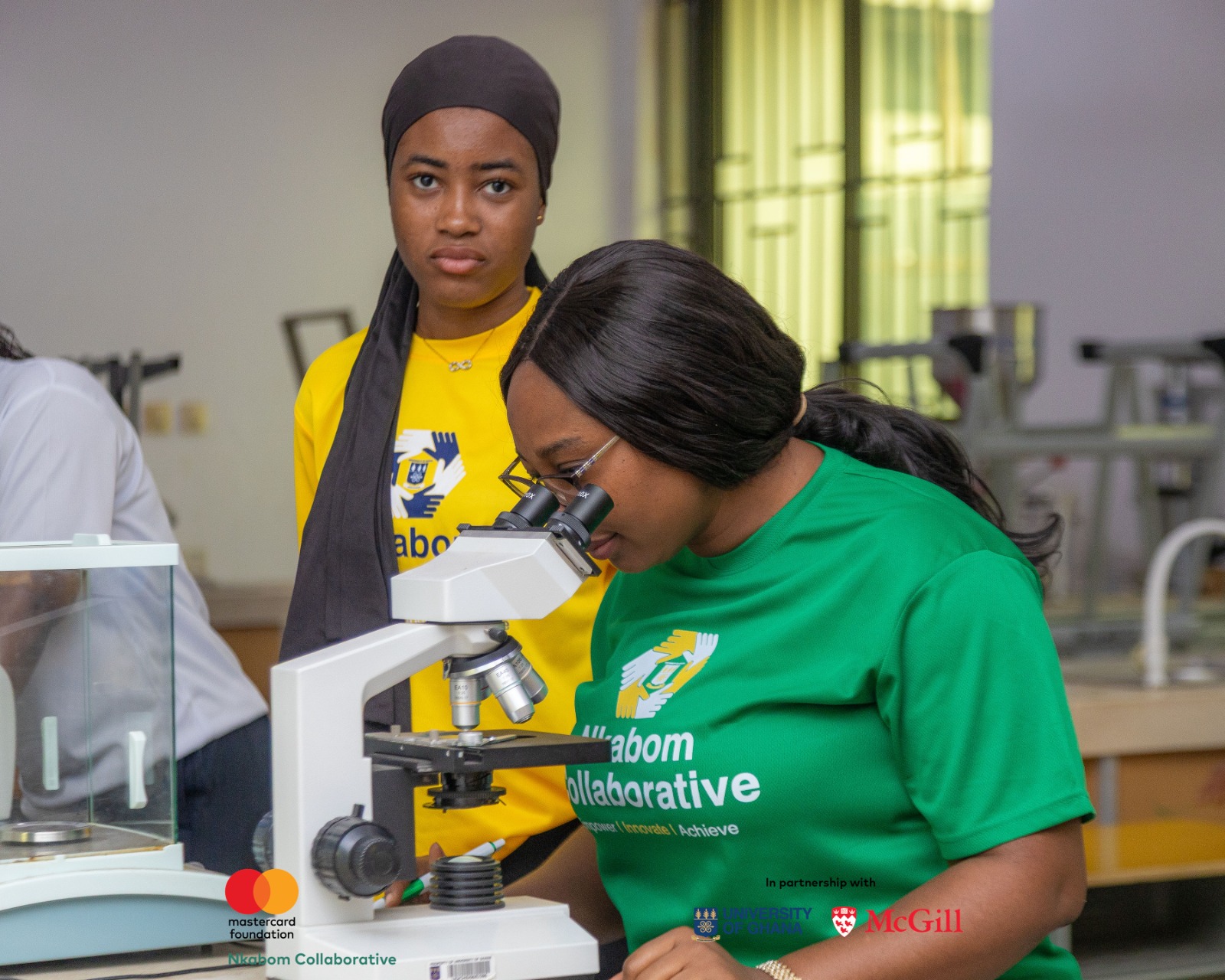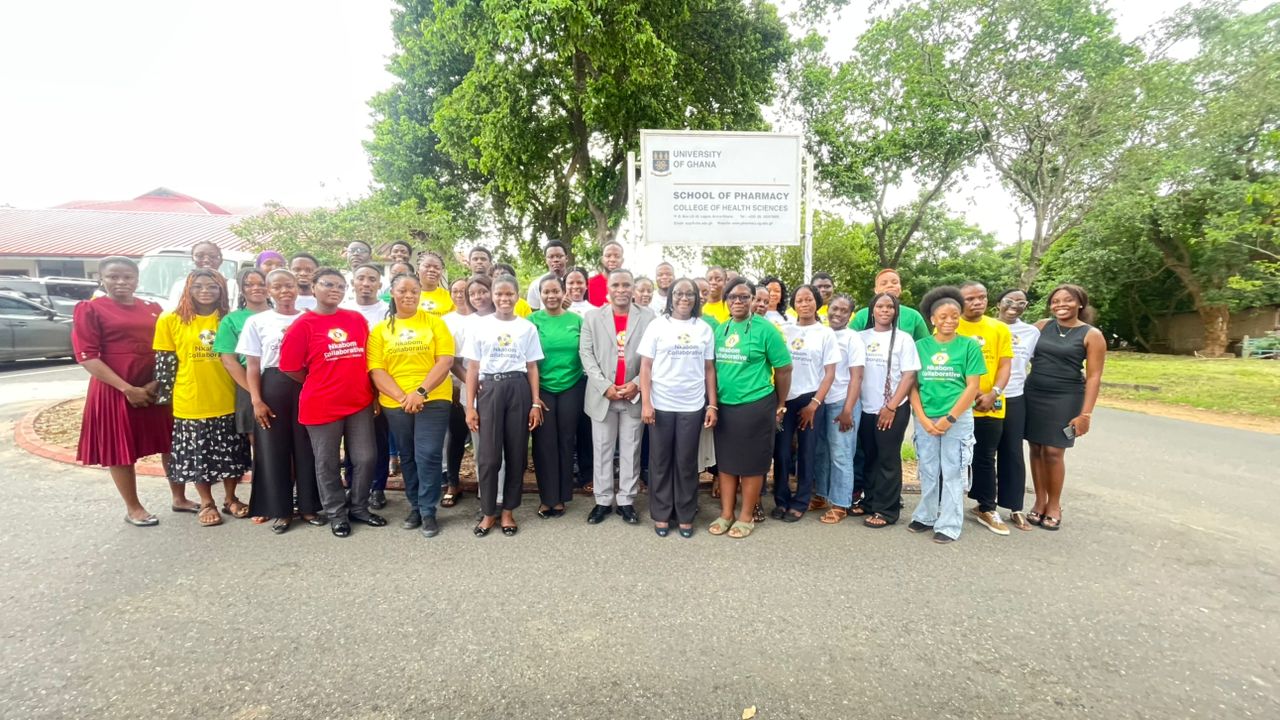
The Herbal Medicine Short Course Training, an initiative of the Nkabom Collaborative, and the University of Ghana School of Pharmacy (UGSOP), under the Mastercard Foundation, took place at the UG School of Pharmacy from May 25th to 29th, 2026. The intensive five-day programme was designed to equip young start-up herbal medicine entrepreneurs with practical, hands-on skills and foundational knowledge in the preparation and management of herbal preparations, from plant sourcing to finished formulations.
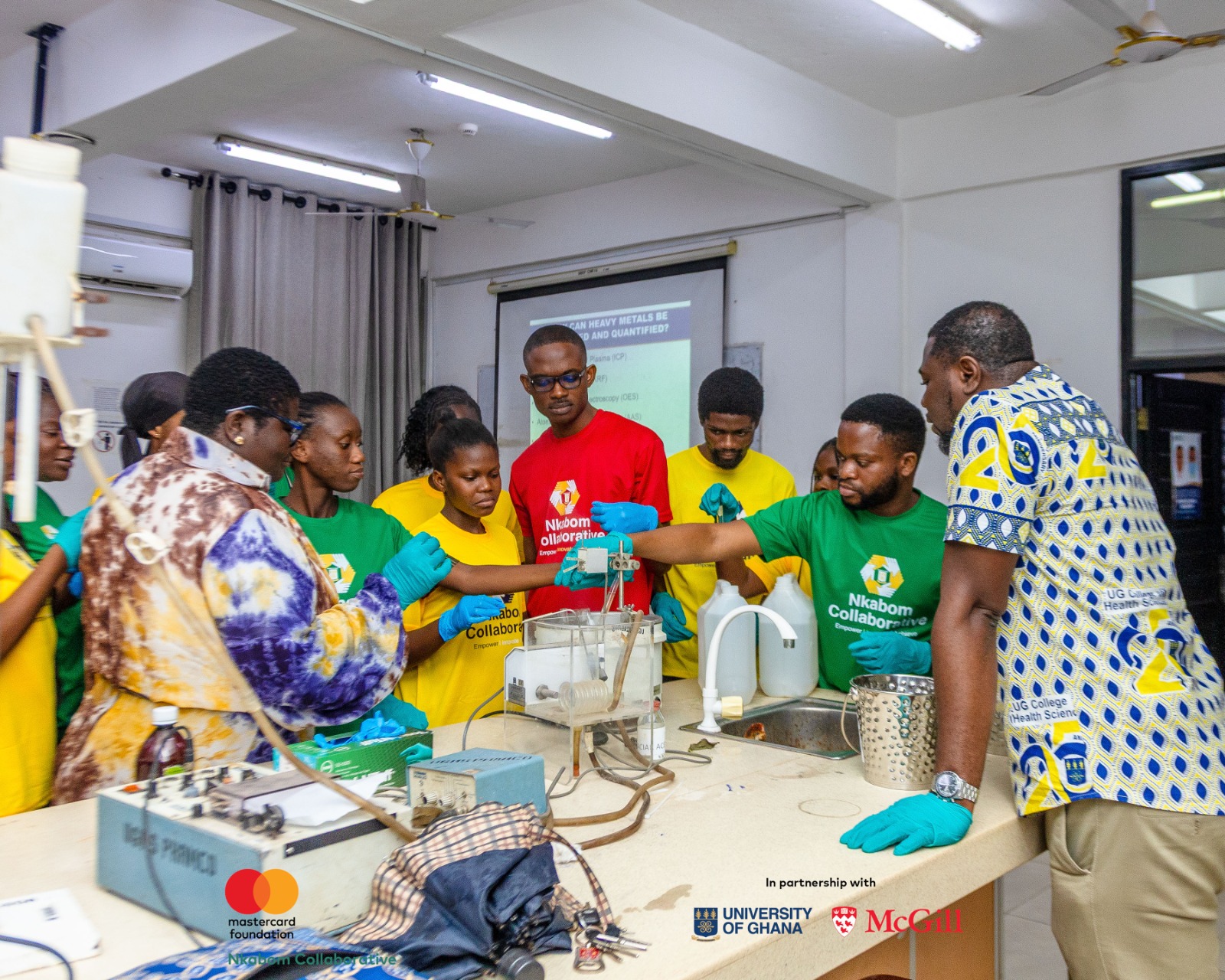
The training provided comprehensive theoretical and practical instruction covering the scope and principles of herbal medicine, regulatory requirements, plant identification, raw material processing, and quality control techniques. Participants gained insights into best practices in plant collection, processing, formulation, labelling, packaging, quality assurance, and regulatory compliance required for both the Ghanaian market and beyond.
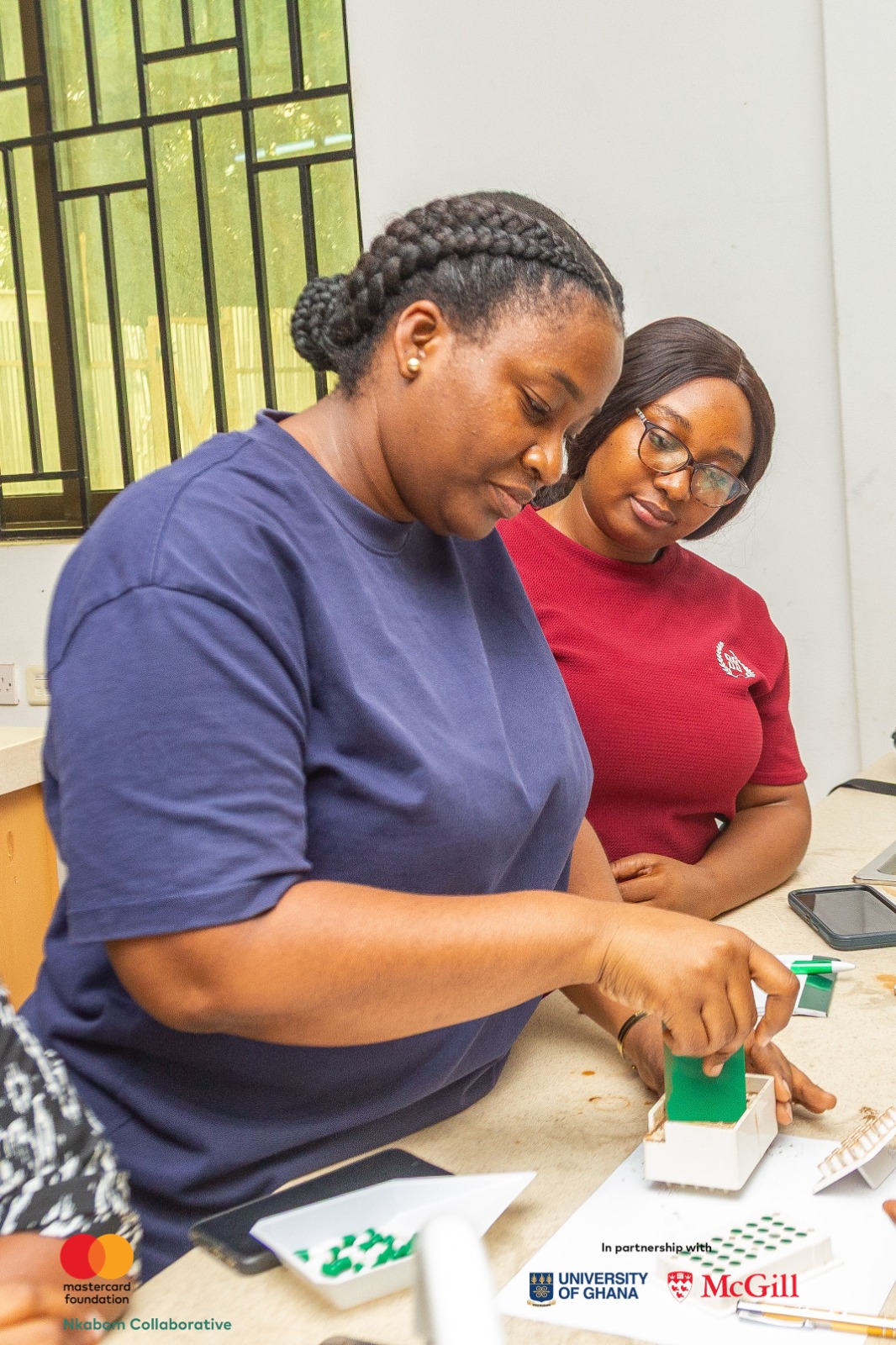
Participants, 70% of whom were female, also received hands-on training in the preparation of various herbal formulations including decoctions, tinctures, ointments, and capsules. Additional sessions focused on communication, problem-solving, branding, and marketing to strengthen participants’ entrepreneurial and product development capacities. Through these practical engagements, participants developed the confidence and knowledge needed to responsibly develop and market herbal products while ensuring product safety and customer trust.
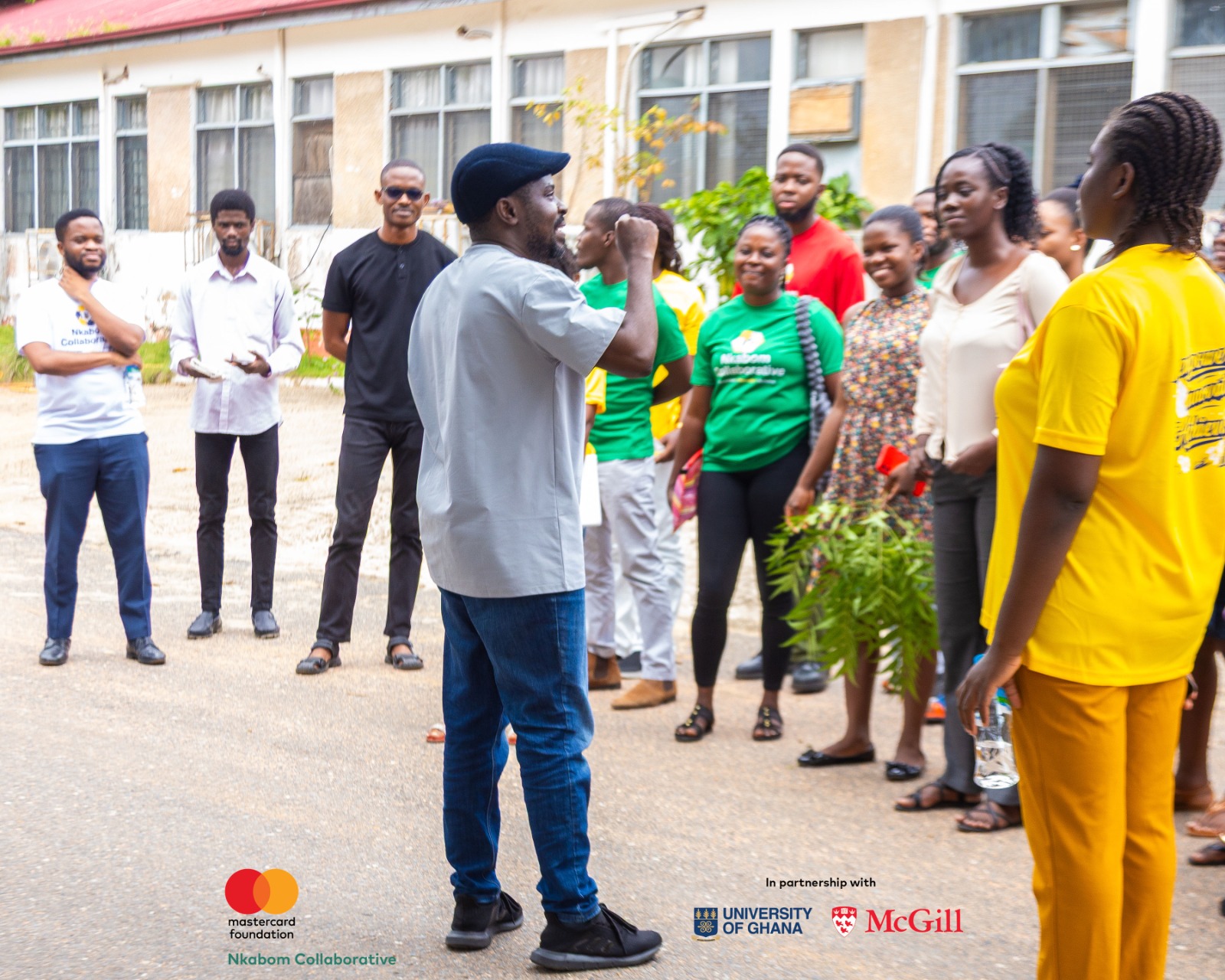
Following an endline evaluation, the course concluded with an immersive field visit to the Centre for Plant Medicine Research (CPMR) and a graduation ceremony. Facilitators for the programme included Prof. Joseph Adusei Sarkodie, Pharm. Radolf Ansbert Nortey, Dr. Cindy Kitcher, Dr. Mahmood Brobbey Oppong, Dr. Philip Debrah, Prof. Emelia Oppong Bekoe, Mrs. Selina Torrison, and Dr. Edward Entee.
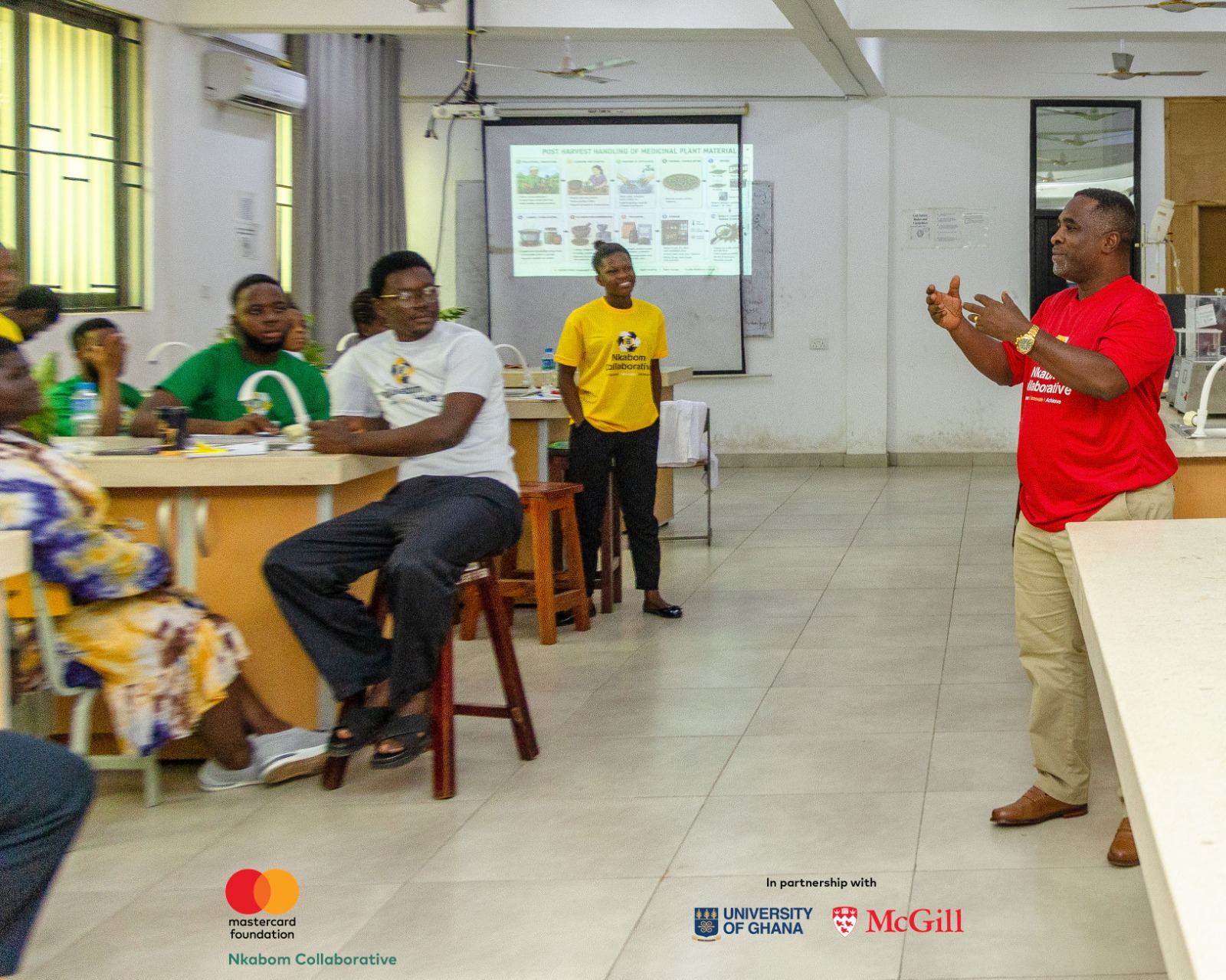
The training strongly aligned with several Sustainable Development Goals (SDGs), particularly SDG 3 (Good Health and Well-being) through the promotion of safe and effective herbal medicine practices; SDG 4 (Quality Education) by enhancing vocational and professional skills development; SDG 5 (Gender Equality) through significant female participation; and SDG 8 (Decent Work and Economic Growth) by empowering participants with entrepreneurial and product development skills for sustainable livelihoods. The programme also supported the University’s Strategic “5-for-5” agenda by promoting innovation, practical skills training, research translation, entrepreneurship, and community engagement within the herbal medicine sector.